Uncovering Cutting-Edge Transportation Services for Seamless Travel
Advanced transportation services are revolutionizing urban mobility. Ride-sharing platforms and electric scooters deliver flexible alternatives to traditional transit. These solutions address the persistent issue of last-mile connectivity. Meanwhile, the emergence of autonomous vehicles promises to further revolutionize travel dynamics. As cities pursue sustainability, the integration of diverse transport modes becomes crucial. What implications do these developments hold for urban residents and their daily commutes? The answers may redefine our understanding of mobility.
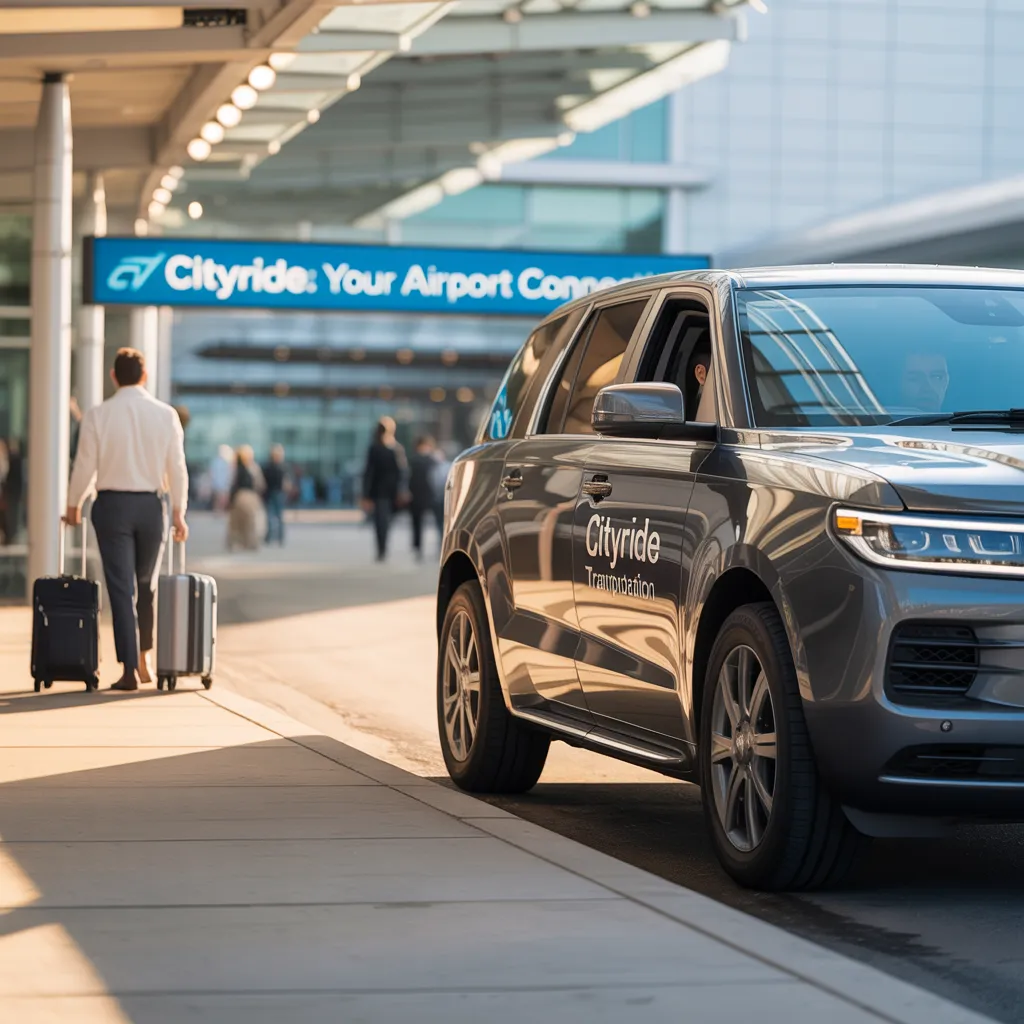
The Expansion of Ride-Sharing Networks
While metropolitan areas continue expanding, the requirement for flexible and efficient transportation options has contributed to the swift growth of ride-sharing services. These platforms, which link drivers with passengers through mobile applications, have revolutionized the way people navigate cities. By offering accessible pricing and convenience, ride-sharing services have gained considerable popularity among commuters.
The ability to order a ride at the press of a button has rendered transportation more convenient, especially in regions deficient in public transit. Moreover, ride-sharing decreases the need for car ownership, contributing to reduced traffic congestion and decreased environmental impact.
Major players in the field have formed a competitive landscape, catalyzing innovation in service delivery and customer experience. As cities adjust to the changing transportation landscape, ride-sharing services occupy a pivotal role in shaping urban mobility, addressing the growing needs of residents while supporting sustainable practices.
Electric Scooters: A New Urban Mobility Answer
E-scooters have become a viable option for city transportation, enhancing the ride-sharing ecosystem. These small, battery-operated vehicles provide a adaptable solution for close-range journeys, tackling the end-point mobility challenge faced by many urban commuters. With their simplicity and convenience, electric scooters draw in a wide-ranging audience, including pupils, business people, and sightseers.
Metropolitan areas worldwide have implemented scooter-sharing programs, allowing users to discover and rent scooters through mobile applications. This innovative approach decreases traffic congestion and lowers carbon emissions, aligning with sustainability goals. Furthermore, electric scooters can navigate through narrow streets and crowded areas, providing a practical alternative to traditional public transport.
Notwithstanding their advantages, issues such as safety issues and regulatory frameworks continue to exist. Nonetheless, as urban areas continue to develop, electric scooters are set to play a significant role in shaping the future of urban transportation networks.
Self-Driving Cars: The Future of Transportation
What possibilities lie ahead with the advent of autonomous vehicles? The advancement of autonomous driving systems aims to revolutionize how we travel. These cars, fitted with sophisticated sensors and AI systems, seek to improve traffic safety by minimizing human mistakes, a primary factor in collisions. Furthermore, incorporating self-driving vehicles may result in improved traffic flow, reducing gridlock and cutting emissions through vehicle-to-vehicle and vehicle-to-infrastructure communication.
Within city settings, self-driving cabs and transit vehicles may provide on-demand mobility, increasing accessibility for those without personal vehicles. This shift could also transform urban planning, enabling the conversion of parking spaces into green areas or community hubs. As industries adapt, emerging positions will develop in vehicle maintenance, technology support, and regulatory compliance. Ultimately, autonomous vehicles possess the ability to create a more eco-friendly, efficient, and inclusive transportation ecosystem for tomorrow's society.
Micro-Mobility: Addressing Last-Mile Challenges
As urban transportation systems develop, micro-mobility solutions are becoming prominent as crucial tools for addressing last-mile challenges. These solutions, which include electric scooters, bikes, and shared mobility options, offer streamlined and cost-effective means of travel for short distances. They fill the gap between public transit hubs and final destinations, guaranteeing that commuters can reach their endpoints swiftly and conveniently.
Micro-mobility addresses issues such as traffic congestion and environmental concerns by promoting eco-friendly alternatives. As cities face increased urbanization, the integration of micro-mobility into transportation networks enhances overall accessibility. Additionally, it fosters active transportation, which supports public health.
Nonetheless, safety alongside regulation remains critical considerations. Robust policies and infrastructure should be created to support these services whilst maintaining user safety. Overall, micro-mobility represents a transformative factor in urban travel, improving the efficiency of transportation systems and promoting sustainable urban living.
Public Transport Developments: Boosting Accessibility
As urban areas keep developing, public transit innovations are fulfilling a vital role in enhancing accessibility for all residents. Measures such as low-floor buses and trams have transformed the travel experience for individuals with mobility challenges, allowing easier boarding and disembarking. Moreover, real-time tracking apps offer vital information, enabling riders to plan their journeys more effectively.
Moreover, inclusive design standards are being implemented into transit stations, featuring tactile guidance paths and audio announcements that support visually impaired passengers. Community engagement programs, such as feedback surveys, empower residents to communicate their needs, ensuring that public transit systems remain accommodating and user-friendly.
In addition, partnerships with ride-sharing services expand options for those in underserved neighborhoods, efficiently bridging gaps in traditional public transit. These innovations collectively aim at creating a more equitable transit landscape, fostering greater independence and mobility for all residents of the community.
Smart Transportation Systems: Seamless Integration and Performance
Smart transportation systems are revolutionizing the way urban environments oversee mobility through live information exchange and enhanced connectivity. The implementation of self-driving cars and multi-platform transit systems is crucial for creating a frictionless transit experience. As municipalities adopt these technologies, effectiveness in transportation will likely witness significant improvements.
Instant Data Distribution
Real-time data sharing serves as the backbone of current transportation systems, improving integration and efficiency across various networks. By enabling the instantaneous exchange of information between vehicles, infrastructure, and users, it enables optimized route planning, reduced congestion, and enhanced safety. Transit agencies can observe vehicle locations and service disruptions, then informing riders of delays or alternative options. Additionally, data Port Canaveral Cruise Shuttle sharing promotes collaboration among different transportation modes, such as buses, trains, and rideshare services, creating a seamless travel experience. The implementation of smart sensors and communication technologies further amplifies these benefits, enabling predictive analytics and responsive adjustments to service delivery. In this way, real-time data sharing is pivotal in shaping the future of urban mobility and improving overall transportation performance.
Autonomous Vehicle Integration
Although the integration of autonomous vehicles into existing transportation networks creates unique challenges, it also provides substantial opportunities for improving urban mobility. These vehicles can enhance traffic flow and reduce congestion by optimizing route selection and decreasing human error. Additionally, autonomous vehicles contribute to increased safety, as they are designed to adhere strictly to traffic regulations and respond more effectively to dynamic road conditions. The implementation of smart transportation systems allows for seamless communication between autonomous vehicles and infrastructure, supporting coordinated traffic management. Moreover, data gathered from these vehicles can inform urban planning and policy decisions, resulting in more efficient transportation systems. Eventually, the successful integration of autonomous vehicles holds the potential to transform urban landscapes and enhance overall travel experiences.
Combined Transport Solutions
The incorporation of self-driving vehicles creates opportunities for investigating multimodal transport solutions that elevate overall efficiency in urban mobility. These systems combine various transportation modes—such as public transit, ride-sharing, cycling, and walking—into a cohesive framework that refines travel routes and reduces congestion. By employing data analytics and real-time information, multimodal transport solutions support seamless transitions between different modes, allowing users to determine the most efficient paths. This approach not only increases accessibility but also promotes sustainable practices by encouraging the use of public transport and non-motorized options. As cities allocate resources to smart infrastructure, the potential for enhanced coordination among diverse transport services continues to expand, ultimately transforming urban travel into a more interconnected and user-friendly experience.
Sustainable Commuting Options: Green Alternatives for Commuters
With urban populations steadily increasing and environmental issues becoming more pressing, commuters more frequently pursue sustainable travel options that reduce their carbon footprint. Eco-friendly options have gained traction, with many individuals choosing public transportation, cycling, and walking as primary means of commuting. Electric vehicles (EVs) also play a vital role, offering an alternative to traditional gasoline-powered cars while reducing greenhouse gas emissions.
Carpooling and ride-sharing services further contribute to sustainability by decreasing the number of vehicles on the road. Bike-sharing initiatives and electric scooter systems offer convenient access to eco-friendly transportation, inspiring more people to forgo using their automobiles.
Additionally, urban planners are prioritizing the creation of pedestrian-friendly infrastructure and dedicated bike lanes, improving the appeal of sustainable options. Overall, the shift towards eco-friendly commuting reflects a growing awareness of environmental issues and a commitment to reducing urban congestion and pollution.
Frequently Asked Questions
What Impact Do Ride-Sharing Services Impact Local Economies?
Rideshare platforms positively influence local economies by creating job opportunities, increasing mobility, and boosting consumer spending. They frequently enhance access to local establishments, optimize transportation efficiency, and can contribute to lower congestion and decreased transportation costs for residents.
What Are the Safety Requirements for Electric Scooters?
Safety regulations for electric scooters generally encompass speed controls, compulsory helmet usage, minimum age rules, and designated travel areas. Municipal authorities frequently implement these regulations to secure both scooter user and pedestrian protection while fostering responsible scooter use in urban settings.
How Can Autonomous Vehicles Manage Emergency Situations?
Driverless vehicles are configured to analyze emergency situations using sensors and algorithms. They focus on protection through performing evasive maneuvers, notifying other drivers in the vicinity, and connecting to emergency response teams to minimize risks during critical incidents.
Do Micro-Mobility Options Exist in Rural Areas?
Micro-mobility choices in rural areas are commonly limited in comparison to urban settings. Nevertheless, some communities have started embracing electric scooters and bike-sharing programs, working to enhance transportation accessibility and promote sustainable travel alternatives for residents.
In What Ways Can Public Transit Systems Reduce Carbon Footprints?
Public transit systems can reduce carbon footprints by improving energy efficiency, incorporating renewable energy sources, enhancing route optimization, encouraging electric vehicles, instituting efficient scheduling, and fostering public awareness campaigns to improve ridership and green practices.